How Community-Led Projects Are Transforming Rural Development in Africa
Meta Description
Explore how community-led projects — led by organisations like Ndemaleckah Foundation — are transforming rural development across Africa through skills training, healthy-food access, education, healthcare, and local empowerment.
By combining practical skills training, access to education, health services, nutrition support and community empowerment, organizations like Ndemaleckah Foundation are helping build a future in which rural communities are healthy, educated, economically stable, and self-reliant.
Introduction
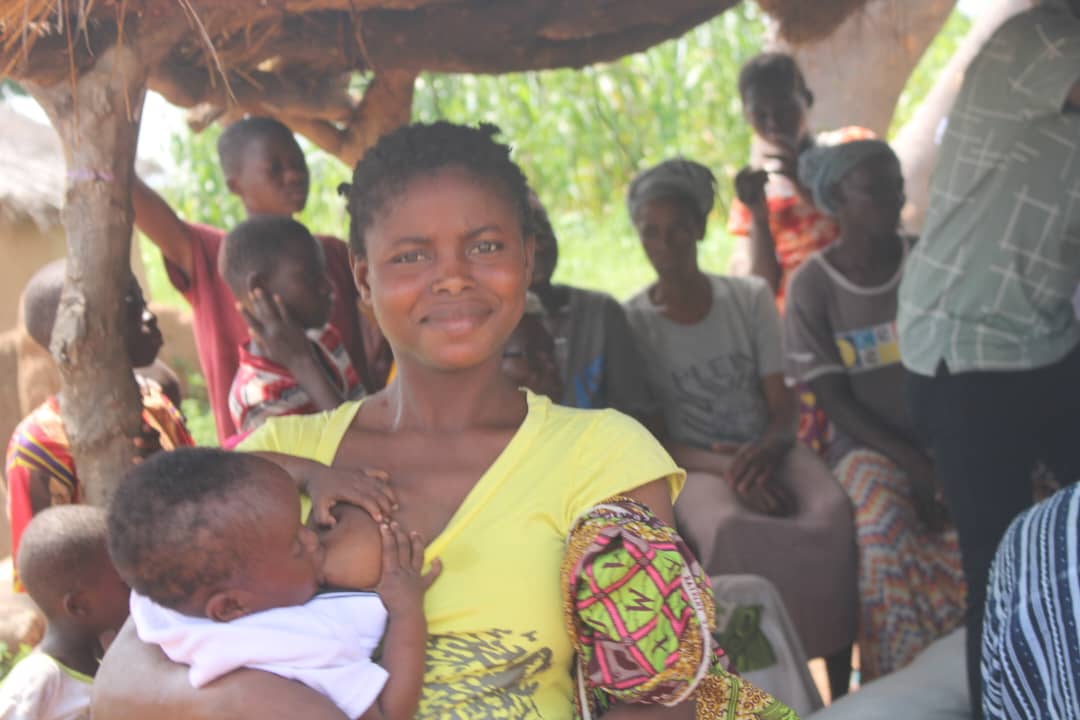
Rural Africa holds enormous potential — but also many challenges: limited access to education, health services, economic opportunities, and basic resources. Sustainable transformation, however, is increasingly taking root through community-led initiatives: when local people lead the planning, ownership, and implementation of development efforts. This bottom-up approach helps ensure projects reflect real needs, build local capacity, and last over time.
One organisation embracing this model is the Ndemaleckah Foundation. According to their website, the foundation offers programs in apprenticeship, healthy food, scholarships, and medical care, with the goal of empowering “young girls, women and children.”
In this article, we explore how community-led projects — such as those promoted by Ndemaleckah — contribute to rural development across Africa, why they matter, and what their broader impact can be.
What Is Community-Led Development (CLD)?
“Community-led development” refers to a development approach in which the people who live in a community take the lead — designing, deciding on, and implementing initiatives that address their own needs. External actors (NGOs, donors, governments) may support, but the community remains the driver.
Key features of CLD include:
Local ownership & participation: community members themselves set priorities and make decisions.
Building on local strengths: using existing skills, knowledge and social capital, rather than imposing outside ideas.
Sustainability over quick fixes: the goal is long-term, structural improvement — not just short-term aid.
Inclusive and participatory governance: ensuring voices of women, youth, marginalized groups are included for equity and relevance.
Why Community-Led Projects Matter for Rural Africa
Greater relevance and acceptance: Locals know their challenges — whether lack of clean water, education, health services, or economic opportunity — so community-designed responses tend to better match real needs.
Empowerment and capacity building: By involving community members directly, CLD builds local skills, leadership, and self-reliance — meaning the community becomes less dependent on external aid. Sustainability: Because communities have ownership, they are more likely to maintain infrastructure, continue activities, and adapt as needed — even after external funding ends.
Holistic development: CLD can address many interconnected needs — education, health, economic opportunity, nutrition, social cohesion — rather than piecemeal interventions.
How Ndemaleckah Foundation Embodies Community-Led Rural Development
The Ndemaleckah Foundation offers a useful example of how community-oriented projects can foster rural development through multiple interlinked programs.
1. Apprenticeship & Skills Training
One of the core pillars of Ndemaleckah is the apprenticeship program — equipping individuals (especially women, youth, children) with practical skills and hands-on training in trades or industries.
By giving people employable skills, the foundation helps create local livelihoods, reduces dependence on urban migration, and stimulates small-scale economic growth within rural or underserved areas.
2. Education via Scholarships
Through its scholarship program, Ndemaleckah supports talented and deserving individuals to pursue education — unlocking opportunities that might otherwise be out of reach.
Education enhances not only individual potential but also community capacity: educated individuals often contribute back via health services, teaching, leadership, and entrepreneurship.
3. Healthy Food & Nutrition Initiatives
The foundation’s “Healthy Food” program promotes healthy eating habits, nutrition awareness, and resource access — a key element for rural well-being.
Nutrition is often overlooked in development — but good health and food security underpin all other aspects of development: education, productivity, economic activity.
4. Medical Care and Health Services
Healthcare access remains a major hurdle in rural Africa. Ndemaleckah’s medical care initiatives, including health screenings and checkups for underserved communities, help bridge that gap.
Improving health outcomes boosts quality of life, reduces disease burden, and enables community members — especially women and children — to participate fully in education and economic activities.
Broader Impact: What Community-Led Projects Like Ndemaleckah’s Achieve in Rural Settings
When initiatives like those of Ndemaleckah are implemented community-led, the collective effects can be powerful:
Economic resilience: Through skills training and small enterprises (e.g. apprenticeships), families gain stable income. This reduces poverty and reliance on unstable livelihoods.
Improved social mobility: Scholarships and education support enable children/youth from poor backgrounds to access higher education or skilled jobs, breaking intergenerational poverty cycles.
Health and well-being: Better nutrition and access to medical care improve life expectancy, reduce disease, and foster healthier generations.
Community cohesion and empowerment: As locals participate in deciding and implementing projects, they build trust, social capital, and collective responsibility. This strengthens community bonds and fosters sustainable development.
Reduced rural-urban migration: When rural areas provide education, health, skills, and livelihoods, people are less likely to migrate to cities — helping keep communities intact and rural economies vibrant.
These benefits align well with findings in broader research on community-based rural development in Africa.
Challenges & Conditions for Success in Community-Led Development
While community-led projects hold great promise, success is not guaranteed. Some common challenges:
Need for genuine participation: Projects fail when local people are not truly involved in decision-making, or when they are treated as passive recipients. Studies show many “rural development” efforts falter when outsiders decide without understanding local realities.
Capacity building and training: Community members often need training — not just in technical skills but in governance, project management, financial literacy — to sustain development.
Long-term commitment & funding: Community-driven development often requires sustained support. Short-term projects may bring temporary relief but fail to create systemic change.
Cultural, social, and institutional dynamics: Success depends on respecting local context — values, traditions, power structures, gender dynamics — for the development to be accepted and upheld.
When these conditions are met, however, community-led models tend to outperform top-down or external-driven interventions in terms of sustainability, impact, and community buy-in.
Why CLD + Ndemaleckah’s Approach Is Especially Relevant for Africa Today
Africa’s rural majority often face systemic neglect — limited infrastructure, lack of access to basic services, and high poverty. The bottom-up, community-led model offers a way to reverse decades of underdevelopment.
By focusing on skills, health, education and nutrition, Ndemaleckah addresses the multi-dimensional needs of rural communities — instead of single-issue or short-term programs.
When organizations like Ndemaleckah partner with communities (rather than impose), the result is strong local ownership: people see these initiatives as “their own,” increasing sustainability and long-term impact.
Conclusion & Call to Action
Community-led development is not a “nice-to-have” — it’s increasingly recognized as one of the most effective pathways to transforming rural Africa.
By combining practical skills training, access to education, health services, nutrition support and community empowerment, organizations like Ndemaleckah Foundation are helping build a future in which rural communities are healthy, educated, economically stable, and self-reliant.
If you care about sustainable change in Africa — consider supporting community-led efforts. Whether through volunteerism, donations, or advocacy, you can help amplify impact.
If you like — I can draft 5–10 more example blog articles using community-led rural development + Ndemaleckah model — with SEO keywords, outlines, and meta info included. Do you want me to prepare that list now?