
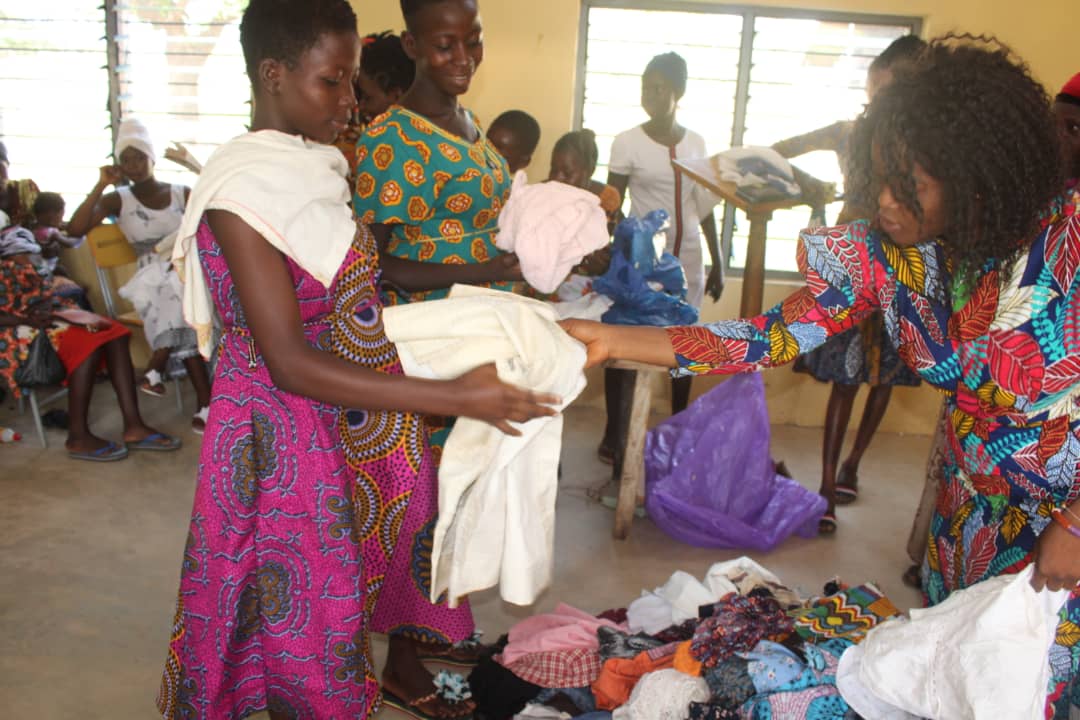
The Importance of Youth Empowerment Programs and Their Long-Term Impact
Meta Description:
Explore how youth empowerment programs — like those of Ndemaleckah Foundation — unlock potential, build skills, improve health and education outcomes, and create long-term positive change in communities..
When youth are empowered, they become active economic participants. Engaging young people in skills training, entrepreneurship, or vocational trades stimulates local economies, creates jobs, and can reduce poverty.
Introduction
Young people represent one of the most valuable resources for any society. Empowering youth means giving them access to education, training, health support, and opportunities — so they can lead productive lives and contribute meaningfully to their communities. In many African contexts, youth face challenges such as limited education access, unemployment, poor health, and lack of resources.
The Ndemaleckah Foundation recognizes these challenges. Their mission — supporting “young girls, women and children” — is delivered through a set of holistic programs: apprenticeship/trades, scholarships, healthy-food initiatives, and medical care. By investing in these areas, Ndemaleckah is not only aiding individuals but also building stronger, healthier, more resilient communities.
In this article, we examine why youth empowerment programs matter, how Ndemaleckah’s model addresses core challenges, and what the long-term impact of such programs can be — both on individuals and society at large.
Why Youth Empowerment Programs Matter
1. Unlocking Human Potential and Building Skills
Youth empowerment programs often focus on education, vocational training, and skills development — enabling young people to acquire relevant competencies for employment or entrepreneurship.
By giving training that matches market needs — whether trades, crafts, or vocational skills — such programs improve the employability of youth, helping them transition from school or unemployment into productive work. This, in turn, boosts self-reliance and reduces dependency.
2. Promoting Economic Growth and Stability
When youth are empowered, they become active economic participants. Engaging young people in skills training, entrepreneurship, or vocational trades stimulates local economies, creates jobs, and can reduce poverty.
Youth empowerment also supports entrepreneurship — providing young people with tools to start small businesses, services, or trades — which fuels economic diversification and community growth.
3. Enhancing Social Inclusion, Confidence & Leadership
Youth empowerment goes beyond economic outcomes. It fosters social empowerment: confidence, decision-making, leadership skills, community engagement, and a sense of purpose.
Empowered youth tend to become community leaders, advocates, and proactive citizens — which can drive social change, unity, civic participation, and inclusive development.
4. Improving Health, Well-Being, and Overall Stability
Some empowerment programs also address health, nutrition, and general well-being — foundational for youth to thrive. Good health and proper nutrition support education, productivity, and long-term growth.
By removing barriers (like poor health or lack of basic support), youth empowerment programs offer a holistic foundation — enabling young people to grow, learn, work, and contribute without being hindered by preventable obstacles.
5. Fostering Sustainable, Long-Term Community Development
Investing in youth today is investing in the future of entire communities. Programs that empower youth contribute to sustainable development: stronger economies, reduced poverty, better education and health outcomes, leadership pipelines, and social stability.
As youth become skilled, healthy, educated, and empowered — they form the foundation for future societal growth, innovation, and community resilience.
How Ndemaleckah Foundation Embodies Youth Empowerment
While every empowerment initiative operates differently, Ndemaleckah Foundation’s approach stands out for its integrated, multi-pillar model — combining skills, education, health, and support in one framework. Their key programmes include:
-
Apprenticeship / Trades / Skills Training — equipping youth with practical, marketable skills (e.g. vocational trades).
-
Scholarship Support — helping motivated but underprivileged youth access education and training opportunities. Healthy-Food & Nutrition Initiatives — ensuring youth (especially children and young people) have access to good nutrition for growth, learning, and well-being.
-
Medical Care & Health Support — providing health services, access to care, and support systems to address basic health needs which often disproportionately affect vulnerable youth.
By working on these multiple fronts simultaneously, Ndemaleckah helps remove systemic barriers — giving young people a real chance to succeed.
This model aligns with what youth-empowerment experts recommend: combine economic empowerment, education, health, and social inclusion for maximum long-term impact.
The Long-Term Impact of Youth Empowerment Programs
Individual-Level Impact
-
Improved livelihoods & economic independence, through employment or self-employment.
-
Better education and skills, opening doors to careers and further opportunities.
-
Enhanced health, nutrition and well-being, enabling youth to grow strong and productive.
-
Increased self-confidence, agency, leadership and social participation, allowing youth to make informed life decisions and contribute meaningfully.
Community & Societal-Level Impact
-
Economic development & poverty reduction, as empowered youth become contributors to local economies.
-
Reduced unemployment and social issues, as youth are occupied with productive work, education or enterprise.
-
Stronger social cohesion, inclusion and community resilience, driven by engaged, skilled, and healthy young population.
-
Future leadership and sustainability, as empowered youth and women rise to be community leaders, innovators, and change-makers.
Empirical studies support these outcomes: youth empowerment programs in Africa have been associated with improved socio-economic outcomes, increased self-reliance, and long-term stability for beneficiaries.
Challenges to Effective Youth Empowerment — and How to Overcome Them
While youth empowerment programs hold enormous promise, their success depends on certain conditions:
-
Holistic Support: Empowerment needs more than skills — also health, nutrition, education, mentorship, support systems. Programs like Ndemaleckah’s that integrate multiple pillars tend to have stronger outcomes.
-
Sustainability & Long-Term Vision: Short-term interventions without follow-up, mentoring, or resources may fall short. Long-term commitment and follow-through are key.
-
Inclusivity & Equity: Youth empowerment must reach marginalized, underserved, or vulnerable populations — young women, rural youth, economically disadvantaged — to ensure broad impact.
-
Community Engagement & Ownership: Empowerment works best when youth and communities are active participants — not passive recipients — helping ensure relevance, commitment, and sustainability.
-
Adaptability & Relevance: Training and support must reflect real market needs and evolving economic landscapes — skills must stay relevant.
When these factors are considered, youth empowerment becomes more than temporary aid — it becomes a pathway to lasting change.
Conclusion — Investing in Youth, Securing the Future
Youth empowerment is not optional — it’s essential. For societies, investing in the potential of their young people is investing in their future stability, prosperity, and innovation. Individuals empowered through education, skills, health, and opportunity become agents of positive change, not just for themselves but for their families and communities.
The Ndemaleckah Foundation’s comprehensive and compassionate approach — combining apprenticeship, education, health, nutrition, and support — exemplifies how well-designed youth empowerment can unlock opportunities, break cycles of disadvantage, and build stronger, more resilient communities.
By supporting youth today, we are building leaders, innovators, and contributors of tomorrow.

All Categories
Recent Posts

+233 (0) 546 00 6604
info@demaleckahfoundation.org